What it is
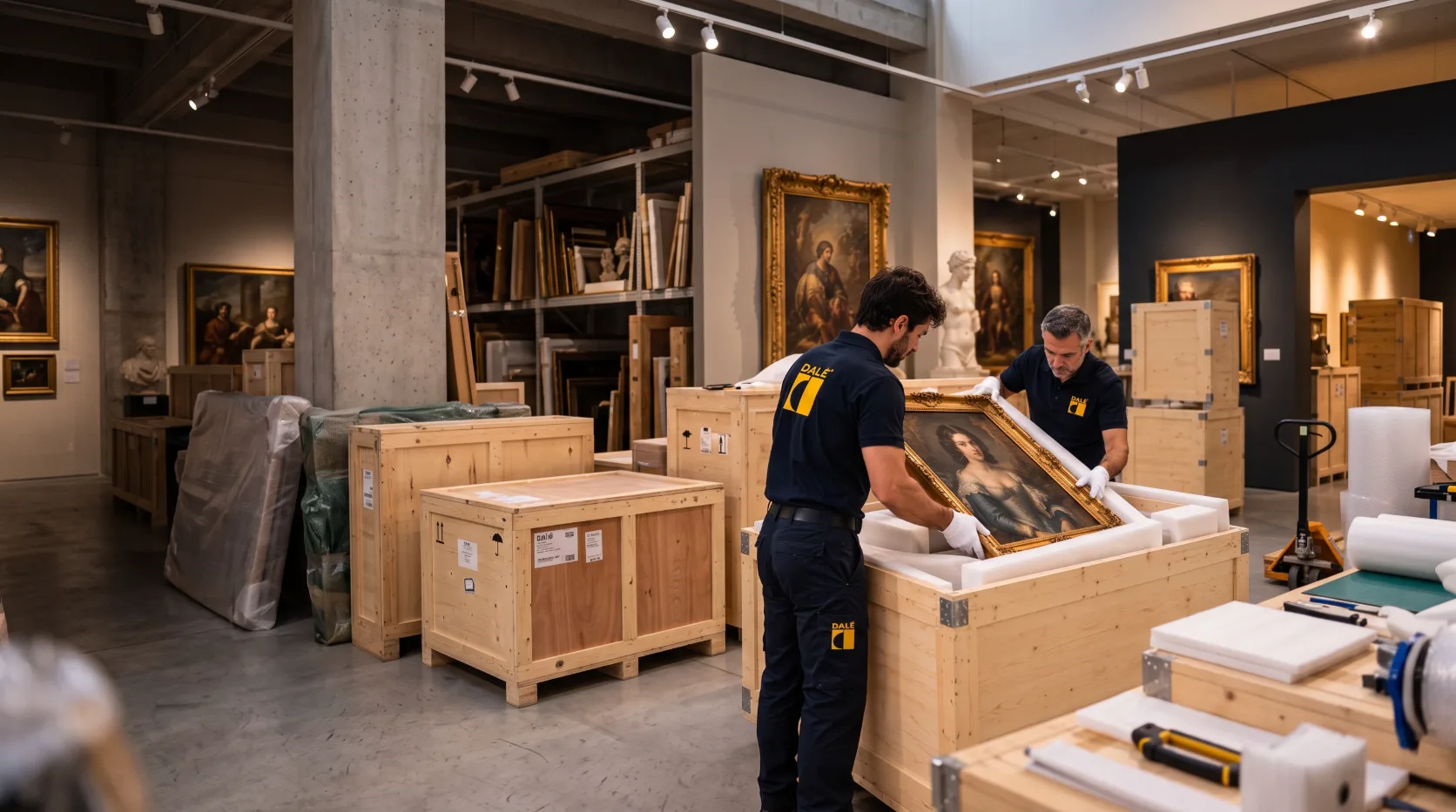
The expression comes from the simplest gesture: the nail from which a picture is taken down and the nail on which it is hung. A nail to nail policy covers everything in between: dismantling, packing, collection, journey, any transhipments and stops, delivery, unpacking and installation. The risk does not end when the truck arrives, but when the work is in its place.
An ordinary transport policy, by contrast, covers the goods only while they travel and until delivery. For a work of art the most delicate moments are often precisely those of handling, before departure and after arrival.
How it works
- Agreed value. The work is insured for a value fixed in advance between the parties, usually by the owner with an estimate or an appraisal. In case of total loss, that value is the starting point, not an assessment made afterwards.
- All Risks. The cover is "against all risks", that is everything not expressly excluded: impact, drops, theft, fire, damage during loading and unloading.
- Declared route. The policy is valid along the route stated: places, stops, modes of transport. If a stop in storage is planned, it must be declared from the start.
- Condition report. The departure and arrival condition report are the basis for telling new damage from pre-existing damage.
Exclusions and limits
An All Risks policy always has conditions, limits and exclusions, and it is useful to read them before departure. Typical ones include natural deterioration and wear, pre-existing defects of the work, damage due to inadequate or non-professional packing, wilful misconduct of the insured, and general exclusions such as war or nuclear contamination. Each insurer writes its own: what counts is the text of the contract, not the name of the cover.
One point not to underestimate is packing. If the insurer can show that the protection was not adequate, compensation becomes uncertain: that is why, when you request insurance for a work, it is best to have it packed by a professional operator or at least have it assessed before departure. See the entry on packing works of art.
Who requests it and who pays
In loans for exhibitions it is almost always the lender who requires nail to nail cover, and the cost is normally borne by whoever receives the work, according to the loan agreement. In sales between galleries and collectors it depends on the agreements and on the agreed delivery term. If a collection policy already exists, it is best to inform the insurer of the journey: some "collection" policies cover only the declared place of custody.
Practical example
A bronze sculpture travels from a collector in the province of Brescia to an art fair in Europe and then returns. The policy starts when the work is lifted from its pedestal, covers crate, vehicle, an overnight stop in storage and installation at the fair, and ends on return, when the sculpture is back in its place. Every stage is indicated in the declared route.
Common mistakes
- Stating a value that is too low or undocumented.
- Forgetting stops and transhipments between one leg and the next.
Dalè offers nail to nail All Risks cover calculated on the value stated by the client; the policy is always a separate contract, and it is best to read its conditions before departure. For a general overview see also cargo insurance.
Sources
A shipment to organise?
Tell us what you are shipping and where to: we reply with the route, the documents required and a quote.
Related Dalè services
Related glossary terms

