Shipping to Oceania. To the other side of the world.
Oceania is the furthest destination from Brescia and one of the strictest on arrival: Australia and New Zealand apply tough biosecurity checks on goods and packaging. We prepare packaging and documents with this in mind from the start.
Australia, New Zealand and the Pacific.
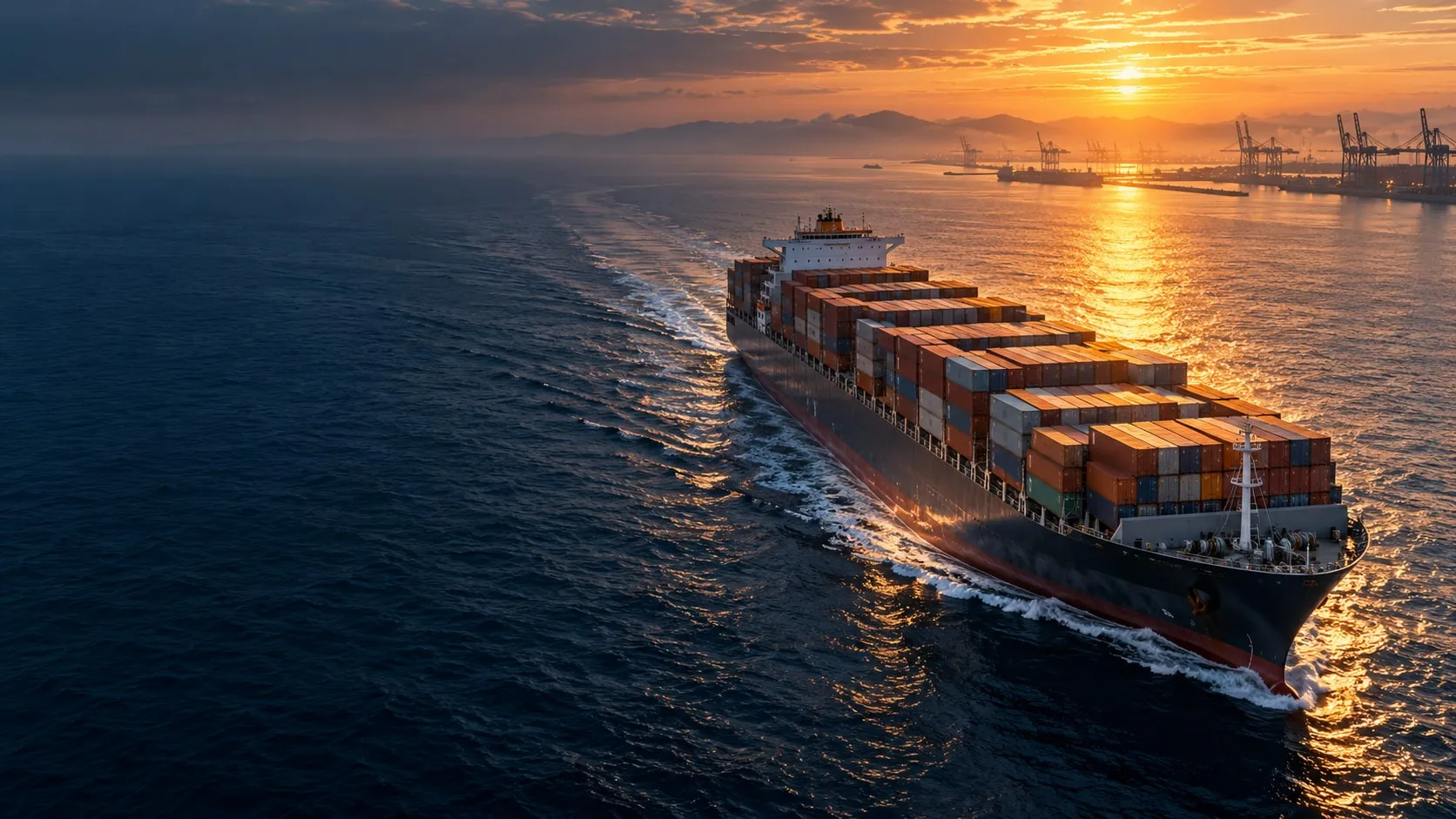
By sea goods arrive at the Australian ports of Sydney, Melbourne and Brisbane and the New Zealand ports of Auckland and Tauranga; by air at the main airports in the region. We choose with you between full container, groupage and air based on volume and urgency.
Full container
FCL containers to Australian and New Zealand ports, with pickup at your premises and transfer to the port of loading.
Sea groupage
For a few pallets or packages, LCL groupage to Australia: your goods travel in a shared container and you pay only for the space they take up.
By air
For urgent or high-value goods, air shipments to Sydney, Melbourne and the other main airports, with acceptance checked with the airlines.
Biosecurity
Australia and New Zealand closely inspect goods, containers and packaging; during the stink bug season some goods must be treated before loading.
ISPM 15 and documents
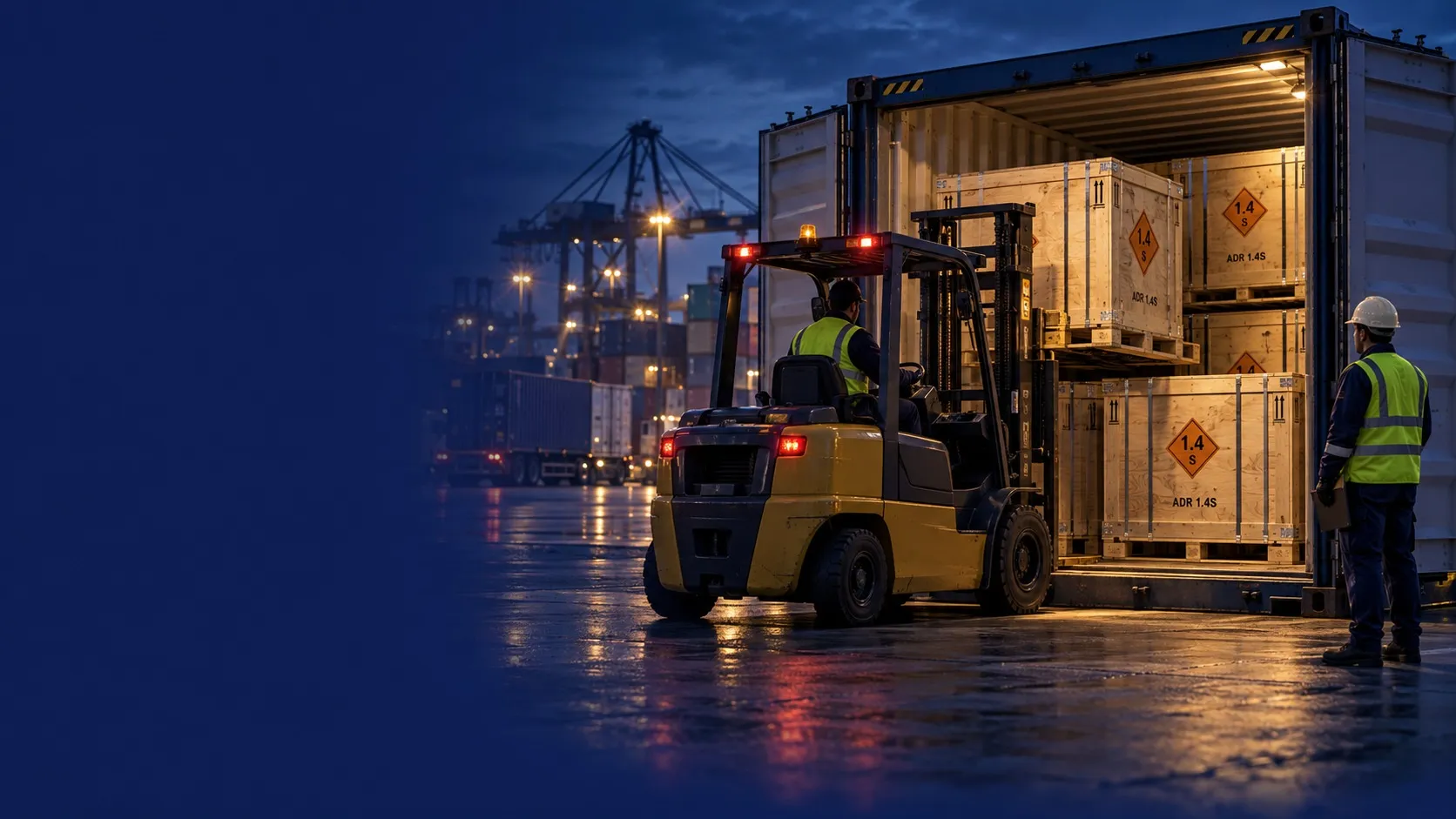
Wooden packaging must be treated and marked under ISPM 15; you need an invoice, packing list and, for some goods, treatment certificates.
Export customs in-house
Export declaration under simplified procedure at our warehouses in Brescia, as an Authorised Economic Operator (AEO).
See also: Sea freight · Air freight · Sea groupage · Customs · Asia · All destinations
Countries in Oceania: Australia
Learn more: Groupage to Australia · Stink bug measures 2026-2027 · ISPM 15 guide
What you need to ship to Oceania.
Australia and its checks
Australia has some of the strictest phytosanitary checks in the world: wooden packaging not treated and marked under ISPM 15 is treated or rejected on arrival. Containers and goods must also arrive clean, free of soil, seeds and insects.
The stink bug season
For goods shipped from 1 September to 30 April, Australia applies measures against the brown marmorated stink bug: some high-risk categories, including machinery, vehicles and metal parts, must be treated before loading by approved providers. New Zealand also applies seasonal measures, with its own rules.
New Zealand
A free trade agreement between New Zealand and the EU is in force: with the required proof of origin, goods of EU origin can enter at reduced or zero duty. Biosecurity rules are as strict as Australia's, and we check them before every shipment.
Pacific islands
Links to the Pacific islands are less frequent and often require transhipment. We assess each destination case by case, choosing between sea and air with you based on the goods.
From request to delivery in Oceania.
Biosecurity and documents, checked before loading.
Request
Goods, weights, dimensions and destination: we propose container, groupage or air.
Biosecurity check
We check the goods category, season and packaging, and arrange treatments if needed.
Customs and departure
Export declaration in-house, then loading in a container or a flight from Malpensa.
Arrival and delivery
Clearance on arrival and delivery to the consignee, with updates at every step.
Shipping to Oceania.
Do you ship to New Zealand?
Yes, by sea and by air. Like Australia, New Zealand has strict biosecurity rules: we check goods and packaging before departure.
What happens if wooden packaging is not compliant?
In Australia wooden packaging not treated and marked under ISPM 15 is treated or rejected on arrival, with extra costs and delays. We prepare compliant crates and pallets at our Brescia hub.
Do the stink bug measures also apply to groupage?
Yes. In Australia they apply to the goods concerned shipped in a full container, as groupage or as break bulk during the risk season.
Is air or sea better for Oceania?
Air for urgent, light or high-value goods; sea, in a full container or as groupage, for large volumes at lower cost. We propose the solution once we have seen the shipment details.