Shipping to Africa. From the Mediterranean to the Cape.
North Africa is close: Morocco and Tunisia can also be reached by truck and ferry. To sub-Saharan Africa we ship by sea and by air, with documents checked before departure.
Near and far.
In Africa import rules vary a great deal from one country to another and often require steps to be completed before loading. That is why we check the documents with you and the consignee before booking transport.
North Africa by truck and ferry
To Morocco and Tunisia goods can travel by truck to the port, cross the Mediterranean on ro-ro lines and continue by road through to delivery.
By sea
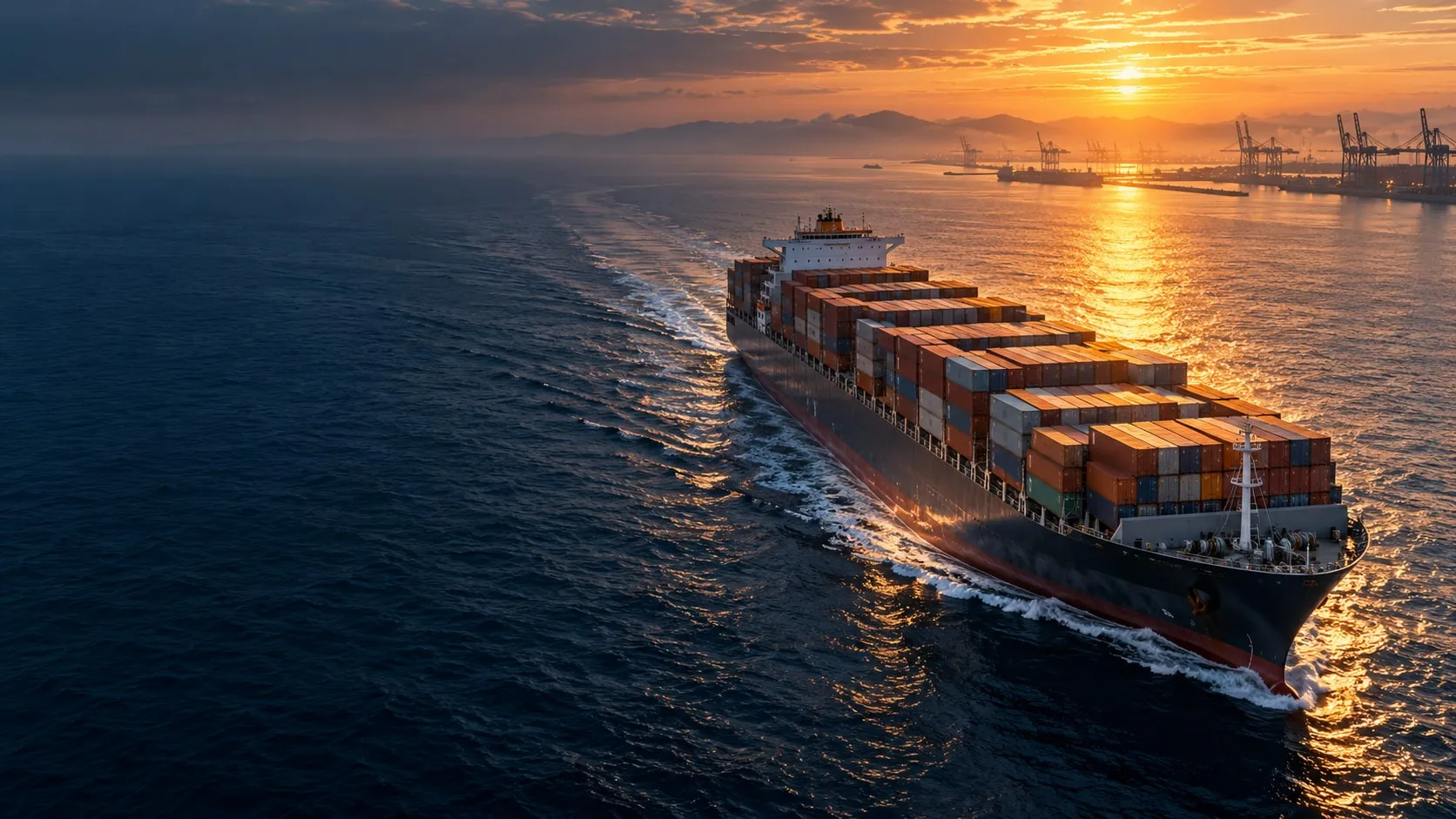
Full containers and groupage to African ports, from Tanger Med and Radès to Alexandria, Lagos, Mombasa and Durban.
By air
Urgent or high-value air shipments to Cairo, Johannesburg, Nairobi, Lagos and the other main airports, with acceptance checked with the airlines.
Documents before loading
Some countries require advance steps: Egypt registration in the ACI system, Nigeria a Form M opened by the importer, Kenya conformity verification for regulated products.
Export customs in-house
Export declaration under simplified procedure at our warehouses in Brescia, as an Authorised Economic Operator (AEO).
Dangerous goods
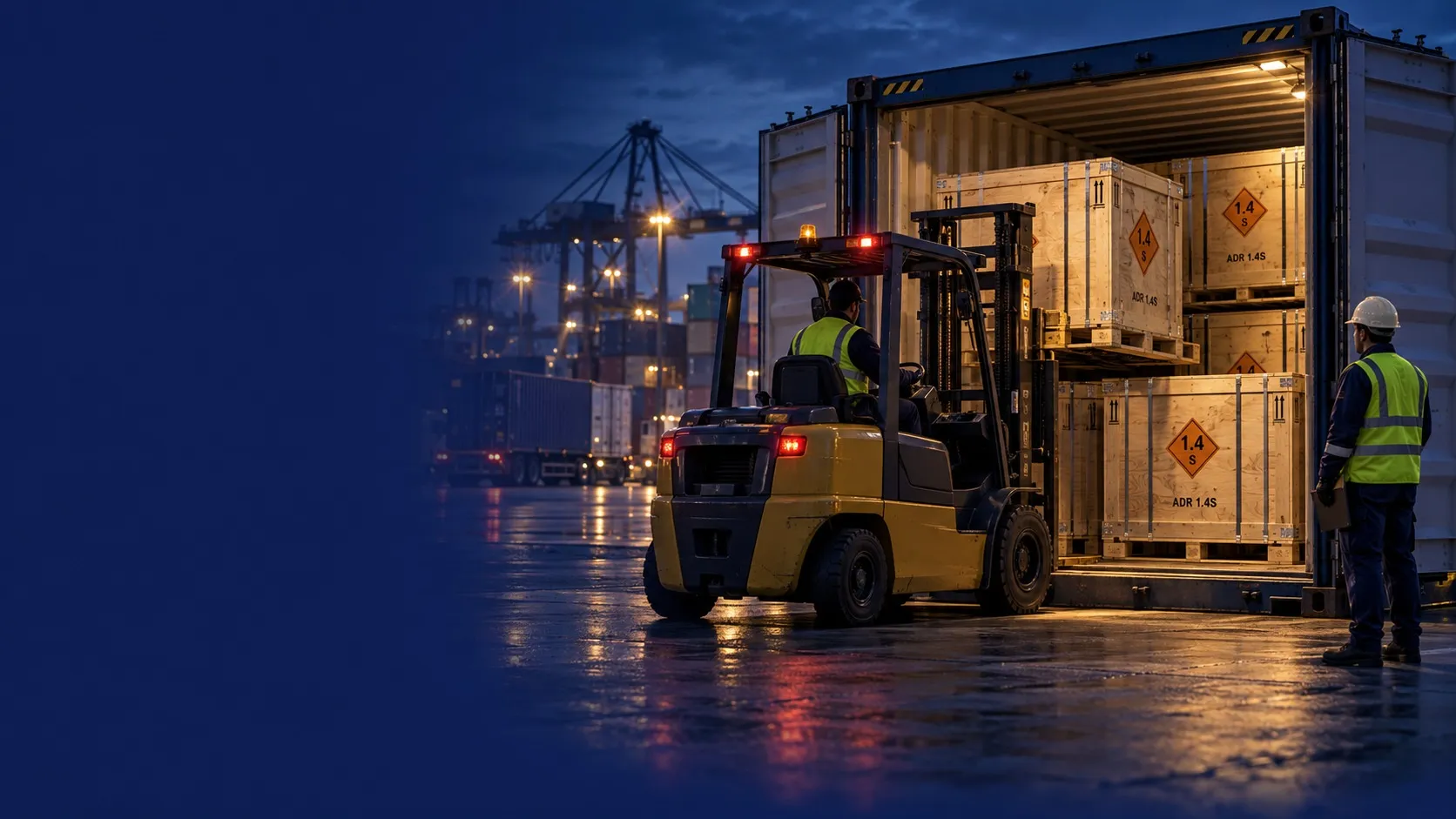
IATA DGR by air, the IMDG Code by sea and ADR by road, with trained staff; firearms and ammunition subject to the applicable authorisations.
See also: Sea freight · Air freight · Road freight · Customs · Middle East · All destinations
Countries in Africa: Morocco · Tunisia · Algeria · Egypt · Nigeria · Kenya · South Africa
Sea groupage: Egypt · South Africa
What you need to ship to Africa.
Agreements with North Africa
Morocco, Tunisia, Algeria and Egypt have association agreements with the European Union: with an EUR.1 certificate, or an origin declaration where allowed, goods of EU origin enter at preferential duty. Algeria nevertheless applies strict import rules, to be checked with the importer before departure.
Egypt and the ACI system
Egypt requires advance registration of the shipment in the ACI system: the importer obtains the ACID number and the exporter sends the documents electronically before loading. We check the details with you and the importer before booking transport.
West and East Africa
In Nigeria the importer must open a Form M with its bank before shipment. Kenya has an economic partnership agreement with the EU and, for regulated products, requires pre-export verification of conformity (PVoC). The port of Mombasa also serves East Africa.
South Africa
South Africa is part of the economic partnership agreement between the EU and the SADC countries: with proof of origin, EU goods benefit from preferential duty. By sea the main port is Durban, followed by Cape Town; by air goods arrive at Johannesburg.
From request to delivery in Africa.
Documents are checked beforehand, not at the port of arrival.
Request
Goods, weights, dimensions, country and city of destination: we propose truck and ferry, sea or air.
Document check
We check registrations, licences and proof of origin with you and the consignee.
Customs and departure
Export declaration in-house, then loading, flight or departure by road.
Arrival and delivery
Clearance on arrival and delivery to the consignee, with updates at every step.
Shipping to Africa.
Which African countries do you ship to?
We have dedicated pages for Morocco, Tunisia, Algeria, Egypt, Nigeria, Kenya and South Africa, but we assess shipments to the whole of Africa: contact us with goods, destination and timing.
Can goods be shipped to Morocco or Tunisia by road?
Yes, with a sea leg: goods travel by truck to the port of loading, cross the Mediterranean on ro-ro lines and continue by road through to delivery. For other loads we use containers and groupage.
Why must documents be checked before departure?
Because in several African countries the importer must complete registrations or authorisations before loading, such as ACI in Egypt or the Form M in Nigeria. If they are missing, the goods risk being held on arrival.
Do you offer sea groupage to Africa?
Yes, for example to Egypt and South Africa, which have their own pages: your goods travel in a shared container and you pay only for the space they take up.