What ISPM 15 is
It is International Standard for Phytosanitary Measures No. 15, adopted under the FAO's International Plant Protection Convention (IPPC). It reduces the risk of insects and other pests travelling in raw wood packaging. The current text was adopted in 2018 and published in 2019.
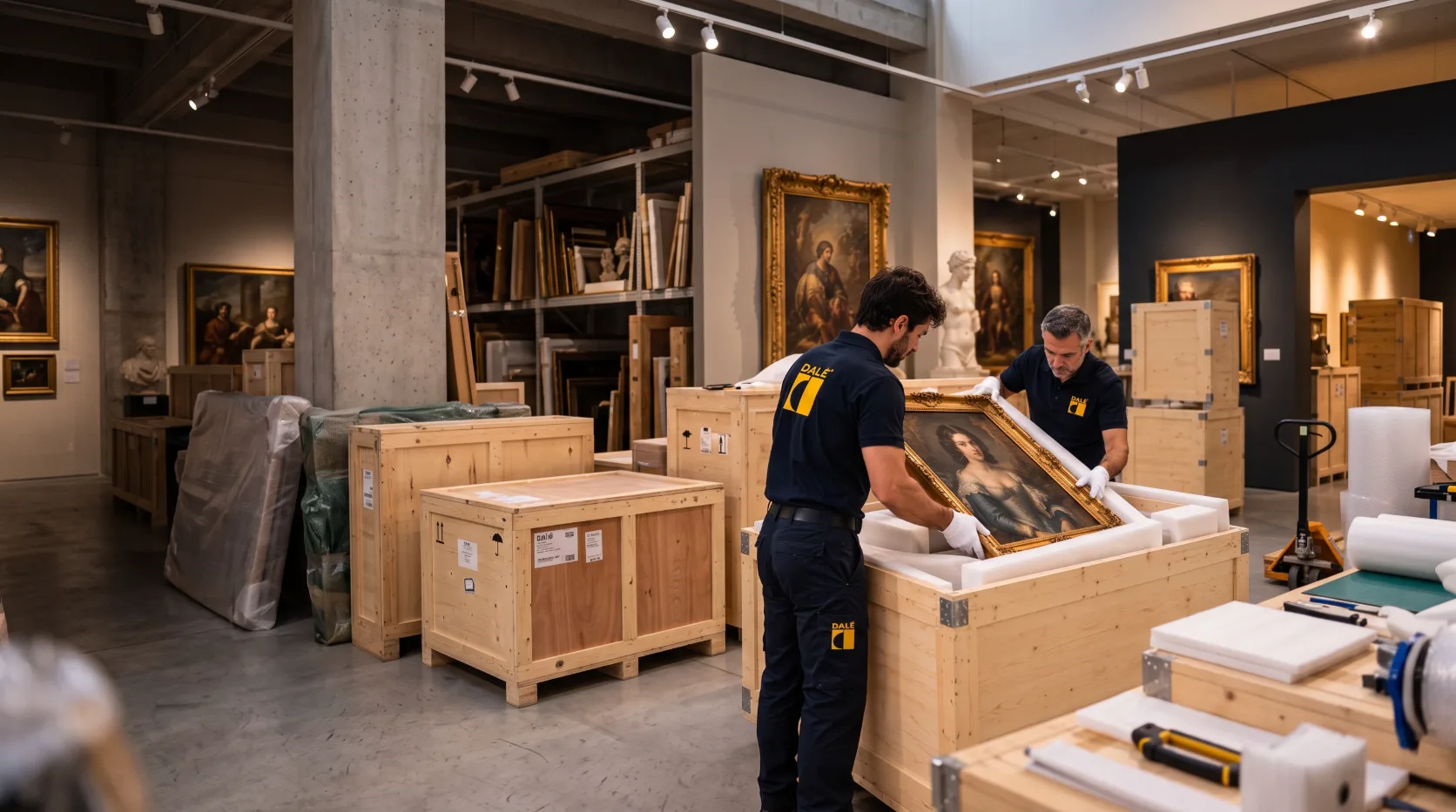
It covers all raw wood packaging: pallets, crates, cases, cable drums and spools, blocks and dunnage used to secure the load.
What is exempt
The standard exempts articles considered low risk:
- packaging made entirely of thin wood, 6 mm or less thick;
- packaging made entirely of processed wood produced with glue, heat or pressure: plywood, particle board, OSB, veneer;
- wine and spirit barrels heated during manufacture;
- gift boxes for wine, cigars and other goods, made of wood processed so as to be pest free;
- sawdust, wood shavings and wood wool;
- wooden components permanently attached to freight vehicles and containers.
Watch out for mixed packaging. The exemption applies only if the packaging is entirely processed wood. A particle-board pallet with solid-wood blocks falls under the standard.
Approved treatments
Whatever the treatment, the wood must be debarked. Small pieces of bark are tolerated: less than 3 cm wide (any length), or wider but with a surface area below 50 cm².
| Code | Treatment | Main requirement |
|---|---|---|
| HT | Heat treatment in a chamber (steam or kiln drying) | At least 56 °C for 30 continuous minutes throughout the wood, core included. |
| DH | Dielectric heating (microwave or radio frequency) | At least 60 °C for 1 continuous minute throughout the wood profile, surface included. |
| MB | Methyl bromide fumigation | The IPPC encourages alternative treatments. Not allowed for wood over 20 cm in cross-section at its smallest dimension. Methyl bromide use is banned in the European Union. |
| SF | Sulphuryl fluoride fumigation | Not allowed for wood over 20 cm in cross-section at its smallest dimension, or with moisture content above 75% (dry basis). |
Sources: FAO/IPPC, ISPM 15, Annex 1; for the EU methyl bromide ban, Regulation (EC) No 1005/2009.
The IPPC mark
The mark certifies the treatment and makes a phytosanitary certificate for the packaging unnecessary. It contains:
- the IPPC symbol;
- the two-letter ISO country code (IT for Italy), followed by a hyphen and the producer or treatment provider code assigned by the national plant protection organisation;
- the treatment code (HT, DH, MB or SF), on a separate line or after a hyphen.
symbolIT-000
HT
Layout only: “000” is the producer or treatment provider code.
The mark must be rectangular or square, inside a border, with a vertical line between the symbol and the codes. It must be legible without visual aids, durable, not transferable and not hand drawn. It goes in a visible position, preferably on at least two opposite sides. Red and orange should be avoided, as they are used for dangerous goods labels. Logos and other information go outside the border.
In Italy the mark is managed by the Conlegno consortium through the FITOK scheme, under the supervision of the national plant protection service. Producers and treatment providers must be authorised.
Reuse, repair, remanufacture
- Reuse: treated and marked packaging that has not been repaired or altered does not need re-treatment.
- Repair (up to about one third of components replaced): only treated or processed wood may be used, and each added component must be marked. The country where the repair takes place may require old marks to be removed, the unit re-treated and re-marked.
- Remanufacture (more than one third): old marks must be permanently removed, and the unit re-treated and re-marked.
Which countries require it
Requirements are set by the plant protection organisation of the destination country. Countries requiring ISPM 15 for incoming goods include the United States, Canada, Mexico, Brazil, China, India, Japan, Australia and the United Kingdom. The European Union also requires it for wood packaging arriving from third countries (Implementing Regulation (EU) 2019/2072).
For shipments within the EU the mark is generally not mandatory, except for specific measures, such as those against pine wood nematode for conifer wood leaving Portugal.
Rules change and some countries add their own requirements, for example the seasonal measures of Australia and New Zealand against the brown marmorated stink bug. Before every non-EU shipment, check the current requirements of the destination country.
Common mistakes
- New packaging with no mark, or with the mark covered by film, straps or labels.
- Mark on one side only, illegible or hand drawn.
- Pallets repaired with untreated boards.
- Untreated dunnage (wedges, battens, spacers), even when the pallets comply.
- Bark beyond the tolerances.
- Treating mixed packaging with solid-wood parts as exempt.
If packaging does not comply, the authority of the destination country may detain the goods and order removal, re-treatment, destruction or reshipment of the packaging, with costs and delays for the shipment.
Sources
- FAO/IPPC – ISPM 15, Regulation of wood packaging material in international trade (adopted 2018, published 2019)
- Commission Implementing Regulation (EU) 2019/2072
- Regulation (EC) No 1005/2009 on substances that deplete the ozone layer
Shipping on wooden pallets or crates?
Tell us what you are shipping and to which country: we check packaging and document requirements with you before departure.
Related pages