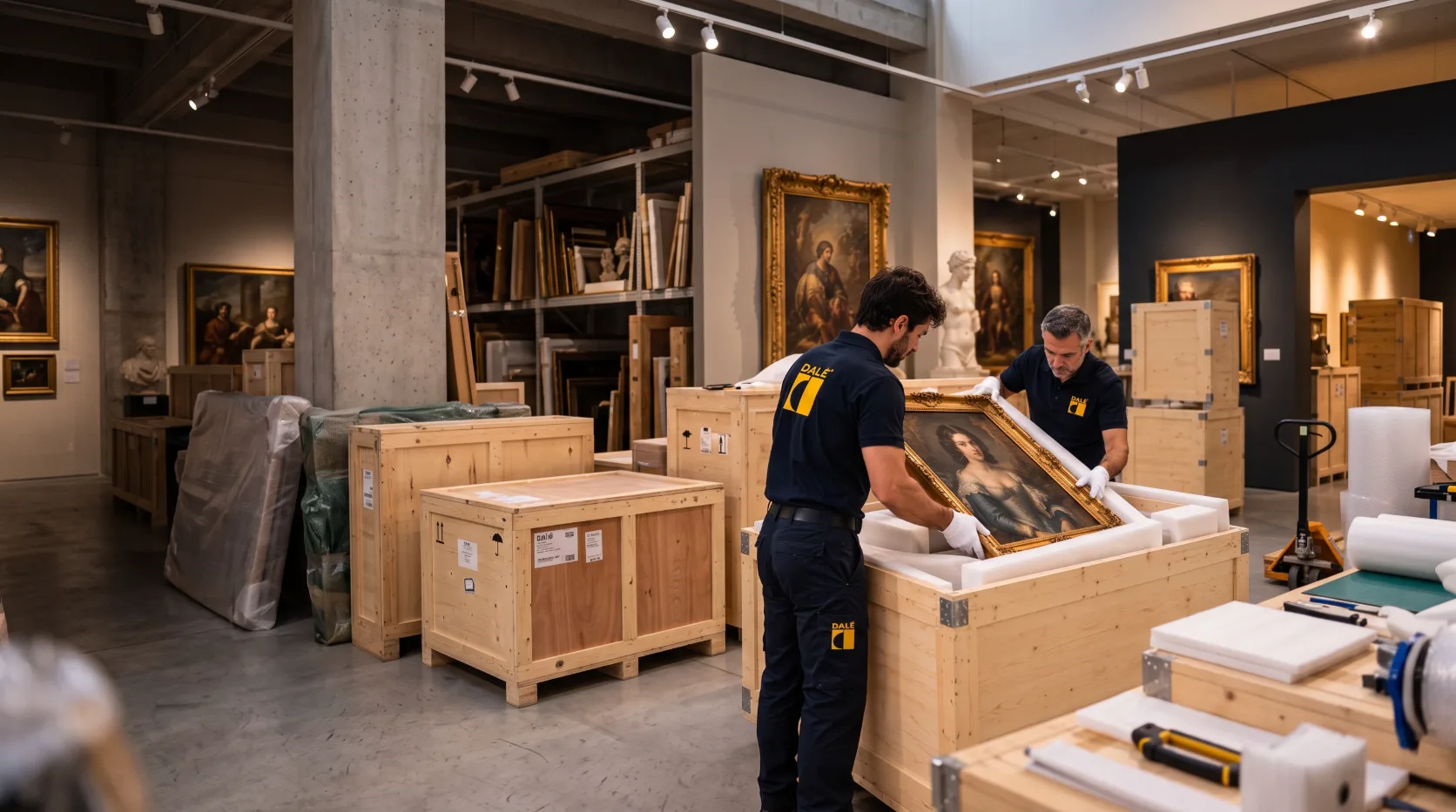
The definition
The notion is in the Cultural Heritage and Landscape Code, Legislative Decree 42/2004. Article 2 defines as cultural objects the immovable and movable things which, under Articles 10 and 11, are of artistic, historical, archaeological, ethno-anthropological, archival and bibliographic interest, together with the other things identified by law as testimonies having the value of civilisation. Here the focus is movable objects: paintings, sculptures, drawings, furnishings, art objects, finds, books and documents.
Public and private objects
Article 10 distinguishes by ownership.
- Objects of the State, Regions, public bodies and private non-profit legal persons. The movable things of these owners that are of artistic, historical, archaeological or ethno-anthropological interest are cultural objects.
- Objects of other owners. For collectors, galleries and businesses the status is not automatic: they become cultural objects only after the declaration of interest provided for in Article 13, for things of particularly important interest, for collections of exceptional interest and for the other categories of Article 10, paragraph 3.
Age, author and value
Article 10, paragraph 5, excludes from the rules things by a living author or whose execution dates back no more than seventy years. For one category only of paragraph 3, letter d-bis, the limit is fifty years. So a painting by a contemporary artist is, in general, not a cultural object for the purposes of leaving the country.
The link with export is in Article 65. Things by an author who is no longer living, made more than seventy years ago, may not leave until their cultural interest has been verified (verification is Article 12). If the value exceeds €50,000 (€13,500 for books), you need authorisation, that is the certificate of free circulation. Below the threshold no authorisation is needed, but the exporter must show the office, by a self-declaration, that the work falls within the exempt case. The €50,000 threshold applies from 14 April 2026; before that it was €13,500.
What changes in practice
- An object declared to be of cultural interest cannot be permanently exported and cannot be moved freely: obligations of conservation and of notification to the Ministry remain.
- If the Export Office refuses the certificate, the declaration procedure begins and the work, at the end of it, becomes a protected object.
- For temporary export for exhibitions, the authorisation under Article 66 is followed.
- For non-EU countries, the European export licence also applies, for the categories provided for by Regulation (EC) No 116/2009.
Practical example
Two paintings are about to be sold to a foreign buyer. The first is by a living painter, made in 2018: it is outside the rules, and the shipment follows ordinary customs rules. The second is by a deceased painter, made in 1880: it is more than seventy years old, and you need to work out whether it exceeds the value threshold. If so, the certificate is requested from the office; if not, the self-declaration is submitted. Only afterwards are packing and departure organised.
Common mistakes
- Believing that "antique" already means "protected": for a private owner the protection arises with the declaration.
- Valuing the work badly: the declared value is checked by the office.
- Thinking the seventy-year rule applies to every object: for some categories the limits are different.
- Forgetting that the work may contain materials subject to CITES.
Dalè handles the paperwork for taking works out of Italy in its own art department, before organising packing, customs and transport.
Sources
- Normattiva: Legislative Decree 42/2004, Articles 2, 10, 12, 13, 65
- Directorate-General for Archaeology, Fine Arts and Landscape (ABAP), Service IV: international circulation
- Gazzetta Ufficiale: Law No 40 of 17 March 2026
A shipment to organise?
Tell us what you are shipping and where to: we reply with the route, the documents required and a quote.
Related Dalè services
Related glossary terms
- Cultural Heritage Code (Legislative Decree 42/2004)
- Export Office for works of art (Ufficio esportazione)
- Certificate of free circulation (attestato di libera circolazione)
- Export licence for cultural goods
- Temporary export of works for exhibitions
- Import of cultural goods (Reg. (EU) 2019/880)
- CITES
- Condition report

