Transport for humanitarian missions. Aid and supplies, through to destination.
We arrange shipments for associations, foundations, parishes, missionary groups and non-governmental organisations: supplies collected in Italy that must reach a mission, a hospital or a school, in Europe and on other continents.
Answers to the most common questions.
Do you work with small associations and parishes too?
Yes, we also support small associations, parish groups and committees making their first shipment. We help you set up the package list and the documents and tell you what to ask whoever will receive the goods.
Does humanitarian aid pay duty in the country of arrival?
It depends on the country and on the consignee. Exemption is usually granted only to recognised bodies, such as hospitals, dioceses and registered associations, and must be requested before the consignment arrives. That is why we need the consignee's details straight away.
Which documents are needed to ship a donation?
You need a detailed package list, a pro forma invoice with approximate values and a donation declaration certifying that the goods are given free of charge. Depending on the goods and the country, certificates and authorisations are added.
Can we ship medicines and used clothing?
Only on certain conditions. Medicines require the authorisations of the destination country and suitable expiry dates; used clothing is banned or subject to a sanitisation certificate in several countries. We check the rules before loading.
Can we bring the goods to your warehouse a little at a time?
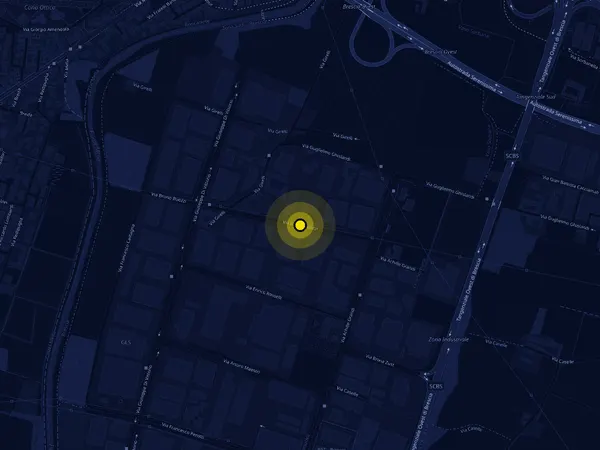
Yes, goods collected over time can be stored in our Brescia warehouse, at Via Bruno Buozzi 14, until loading. There they are arranged and loaded into the container or onto the lorry.
How do you ship a consignment of humanitarian aid?
A shipment unlike the others
A humanitarian consignment has all the rules of a commercial shipment and a few extra difficulties: the goods are donated, not sold, those who collect them often do not ship for a living, and those who receive them are in places where roads, ports and customs work differently. That is why someone needs to put things in order before departure. Dalè has organised international shipments from Brescia since 1956 and supports associations large and small, including those doing it for the first time.
What is shipped
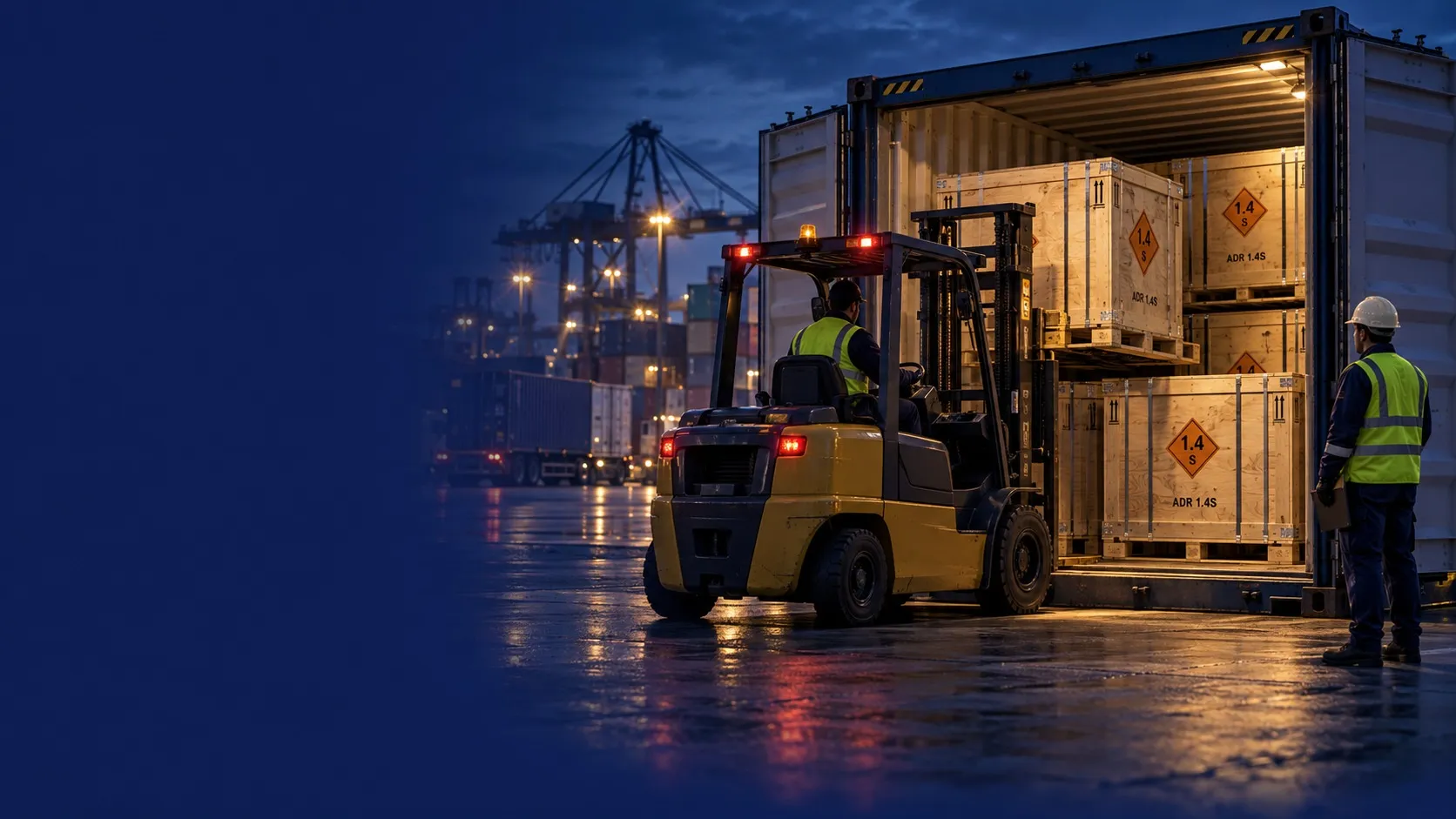
The most frequent loads are medical equipment and hospital furniture, beds, wheelchairs and aids, school supplies, desks and computers, work tools, farm machinery, generators, pumps and solar panels, clothing, blankets and long-life food. Sometimes a vehicle travels: an ambulance, an off-road vehicle, a minibus. Each category has its own rules, and some goods, such as medicines, food and used clothing, require permits or are restricted in many countries.
The cargo list is the most important document
Everything starts from a precise list: what is in each package, how many pieces, how much it weighs, what it is worth and whether it is new or used. Boxes marked miscellaneous items can hold a container up in customs. A clear list makes it possible to prepare the pro forma invoice and the donation declaration, which certify that the goods are given free of charge and are not for sale. We give you a template to fill in while you prepare the packages.
The consignee matters as much as the sender
In almost every country aid can enter duty-free only if the consignee is a recognised body, such as a diocese, a hospital, a registered association or an accredited organisation, and only if the exemption is requested before arrival. That is why we ask straight away who will receive the goods and which authorisations they hold. Without these papers a donated load risks paying duty like any other goods, or remaining in port running up storage charges.
Full container, groupage or lorry
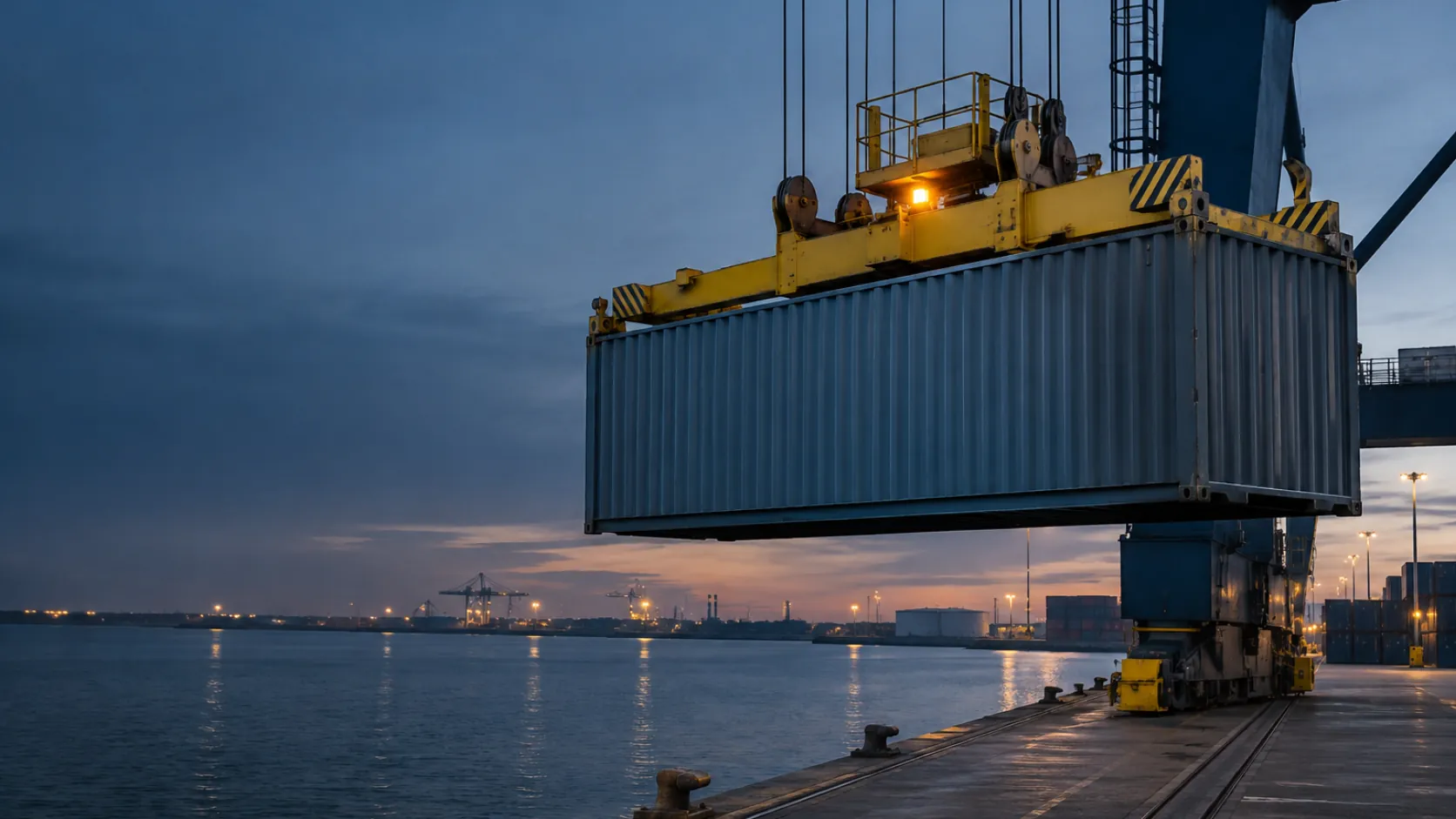
For overseas countries the container is used: 20 or 40 feet when the supplies fill it, groupage when there are only a few pallets. For eastern Europe and the Balkans the load travels by lorry. When urgency demands it, part can leave by air. The container can be loaded at your premises or at our Brescia warehouse, where goods collected over time can be stored and arranged before loading.
Pack well, thinking about arrival
At destination there are often no loading docks or forklifts: the container is unloaded by hand. It is therefore best to prepare packages that two people can lift, numbered and with the contents written on the outside, and to place near the doors whatever will be needed first. Delicate equipment should be protected in crates, which we build to measure in-house. Wooden packing leaving the European Union must comply with the ISPM 15 standard.
Goods requiring attention
Medicines travel only with the authorisations of the destination country and with suitable expiry dates. Used medical devices must be in working order and accompanied by their documentation. Oxygen cylinders, disinfectants, batteries and generators containing fuel are dangerous goods and follow their own rules. Used clothing is banned or subject to a sanitisation certificate in several countries. Tell us beforehand: there is almost always a correct way to ship, but it has to be prepared.
How to start
Write to tell us who you are, what you want to send, in what quantity, where it must arrive and who will receive it. If the collection is still under way, that is fine: it is the best moment to set up the package list and the documents. We advise on the most suitable mode and on what to ask the consignee, and we handle export customs formalities with our in-house department. We answer Monday to Friday, from 8:00 to 19:30.