Full container load. All for your goods.
A container reserved for your goods, loaded at your premises or in Brescia and followed from booking to delivery, thanks to our direct contracts with shipping lines.
One container, one shipper, one contact.
What an FCL shipment is
FCL stands for Full Container Load: a container dedicated to a single shipper, who fills and seals it, and which travels closed from the place of loading to the destination. Unlike groupage, the goods are not handled together with those of other exporters, do not pass through a consolidation warehouse and do not wait for the container to fill up. You pay for the container, not the space used: that is why FCL pays when the volume approaches the container's capacity, or when the goods need to travel alone because they are fragile, valuable or subject to special requirements. It is also the simplest solution to follow: one container, one seal, one bill of lading.
Which container to choose
The most common containers are the 20-foot standard, suited to heavy, compact goods, and the 40-foot, with roughly twice the volume. The High Cube is about 30 centimetres taller and is useful for light, bulky goods. For special needs there are open tops, with no rigid roof, for crane loading from above, flat racks for out-of-gauge pieces and reefers for temperature-controlled goods. Internal dimensions, door openings and typical payloads are in our container guide; the figures that really count, however, are on the plate of each individual container.
Loading at your premises or in Brescia
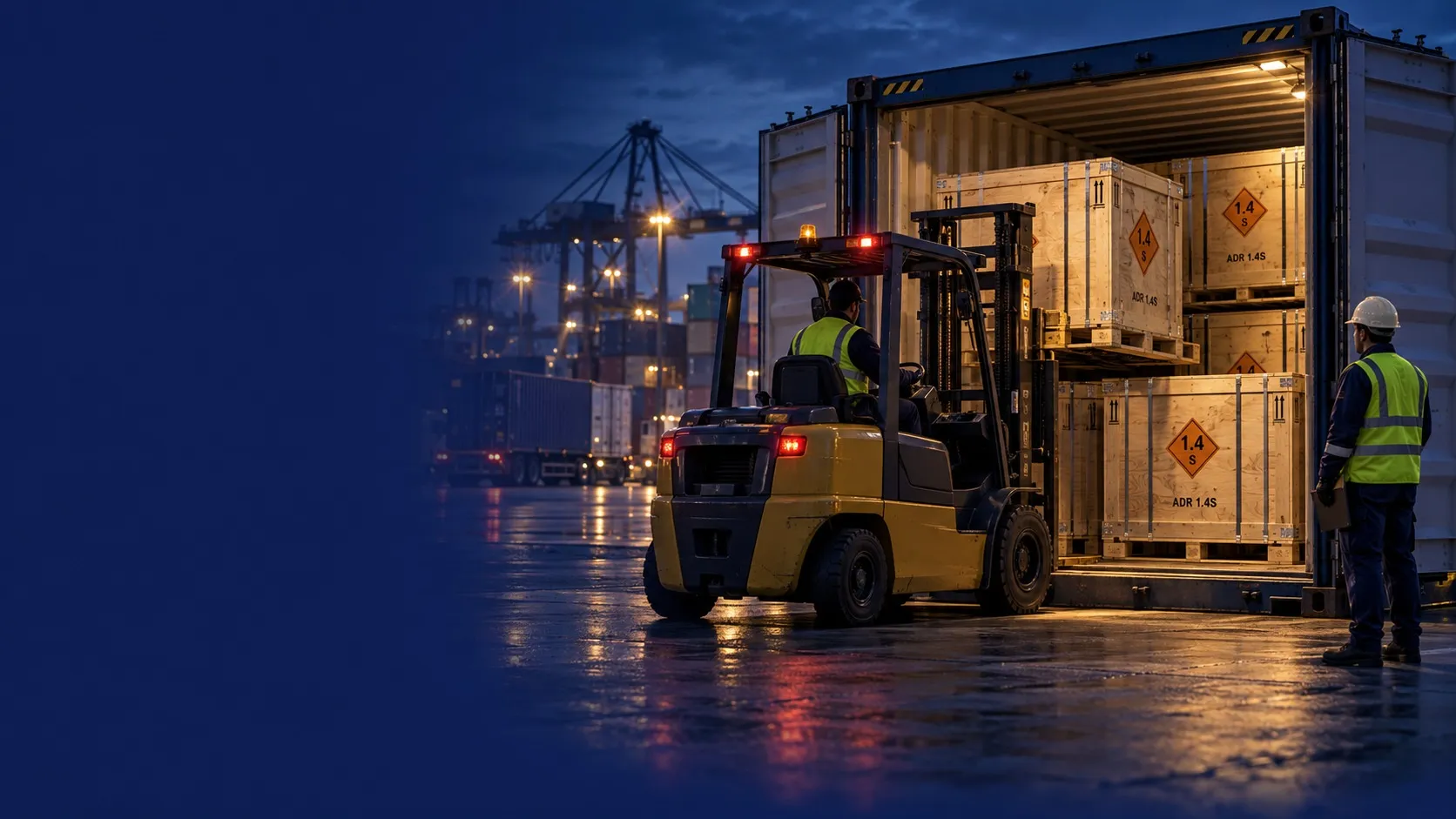
The empty container can be taken to your plant for loading, with an agreed time to fill it, or the goods can come to our logistics hub in Brescia and be loaded by us. In the second case we can also prepare custom packing and crates, apply marks and labels and check the packages before the doors are closed. Either way, what matters is spreading the weight well, blocking the packages against movement and using wooden packaging that complies with the ISPM 15 standard when the destination requires it.
Direct booking with shipping lines
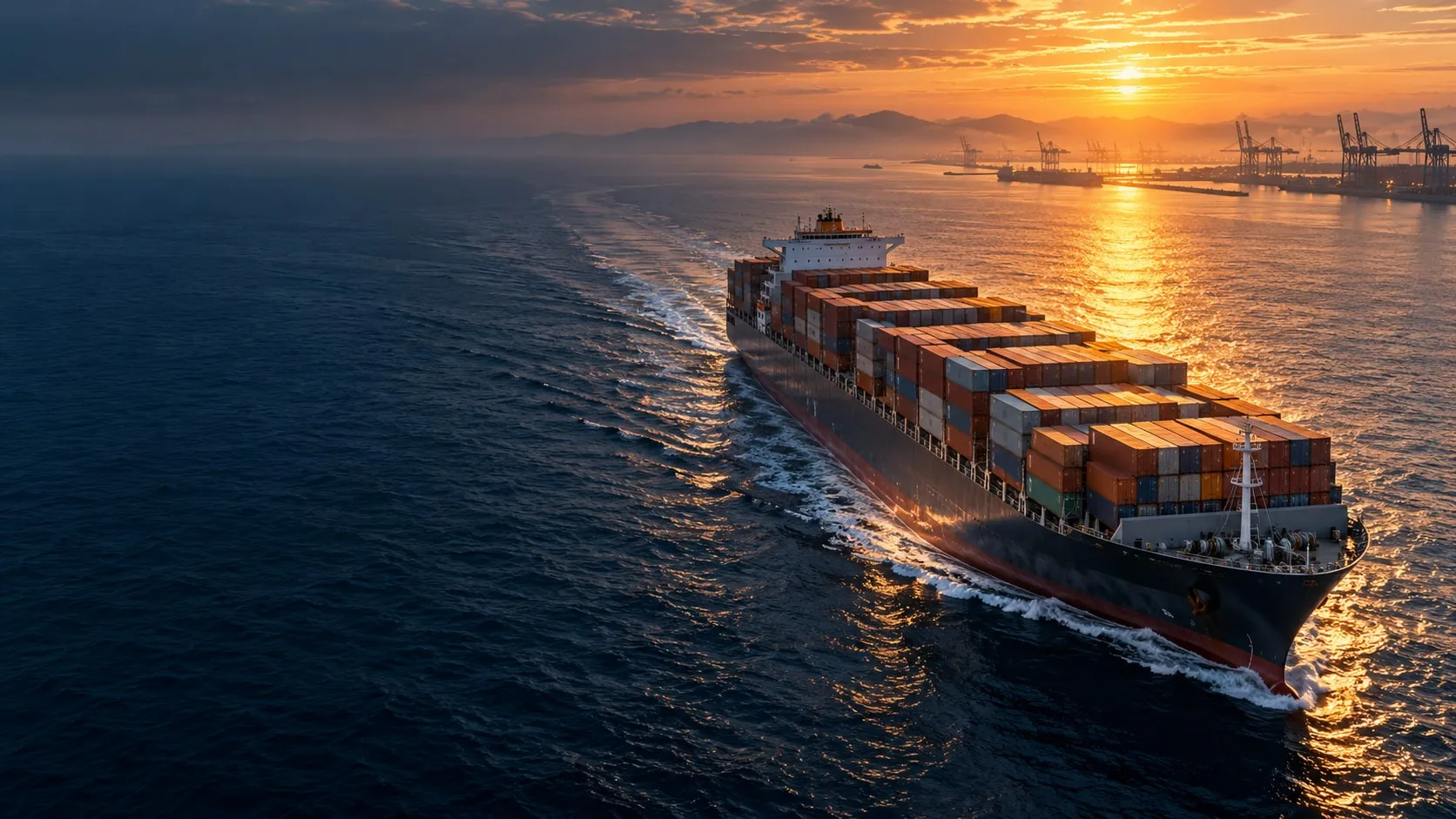
As an NVOCC we have direct contracts with shipping lines: we compare lines, ports of loading and frequencies and book space for your container. For northern Italy the most used ports are those of the upper Tyrrhenian Sea, such as Genoa and La Spezia, but we also consider other ports depending on the line and the destination. Haulage of the container to the terminal, by road or rail, is planned together with the booking to meet the vessel cut-off.
VGM, seal and documents
Before loading, the gross weight of the packed container must be verified and declared, as required by the SOLAS convention: this is the VGM, without which the container is not loaded. The container travels closed with a numbered seal, whose number appears on the documents. We prepare with you the bill of lading, invoice, packing list and export declaration, which we handle at our in-house customs as an Authorised Economic Operator, and we check that the details match across all documents.
Free time, demurrage and detention
Each line grants a number of free days for use of the container and storage at the terminal. Beyond those days charges apply: demurrage if the container stays in the terminal, detention if it stays outside, at the shipper's or consignee's premises. These are costs that good planning of loading and unloading avoids. We tell you the free time of the chosen service in advance and, if more days are needed for unloading at destination, we check with the line whether it can be extended.
Several containers, one project
Many FCL shipments involve more than one container: dismantled plant, supplies for a construction site, production lines shipped in several lots. In these cases we coordinate the loading and documents of all the containers in the same project, with a single contact, so that everything arrives at destination in an orderly, recognisable way. We also cover this on our machinery shipping page.
FCL or groupage: how to decide
There is no threshold that holds for every route. Groupage charges for the space used but adds consolidation and deconsolidation; a full container has a fixed cost, but the goods travel alone with no intermediate handling. When the volume is somewhere in between we prepare both quotes and compare them with you, also taking into account the Incoterms rule, the type of goods and how unloading is organised at destination. For smaller volumes, see our sea groupage page.