What it is
The Italian Environmental Code (Legislative Decree 152/2006, Art. 218) defines tertiary packaging, or transport packaging, as packaging designed to ease the handling and transport of goods, from raw materials to finished products, of a number of sales units or multiple (secondary) packages, in order to avoid their handling and the transport damage that goes with it; containers for road, rail, sea and air transport are excluded. In practice it is the outermost layer that prepares a load: it holds the packages together and makes them movable with a truck. It is the last of the three levels after primary and secondary.
Examples
- The pallet in wood, plastic or cardboard: see EPAL pallet and pallet sizes.
- Stretch film that fixes the packages to the pallet: stretch film.
- Strapping with plastic or steel bands: strapping.
- Corner pieces in cardboard that protect the edges.
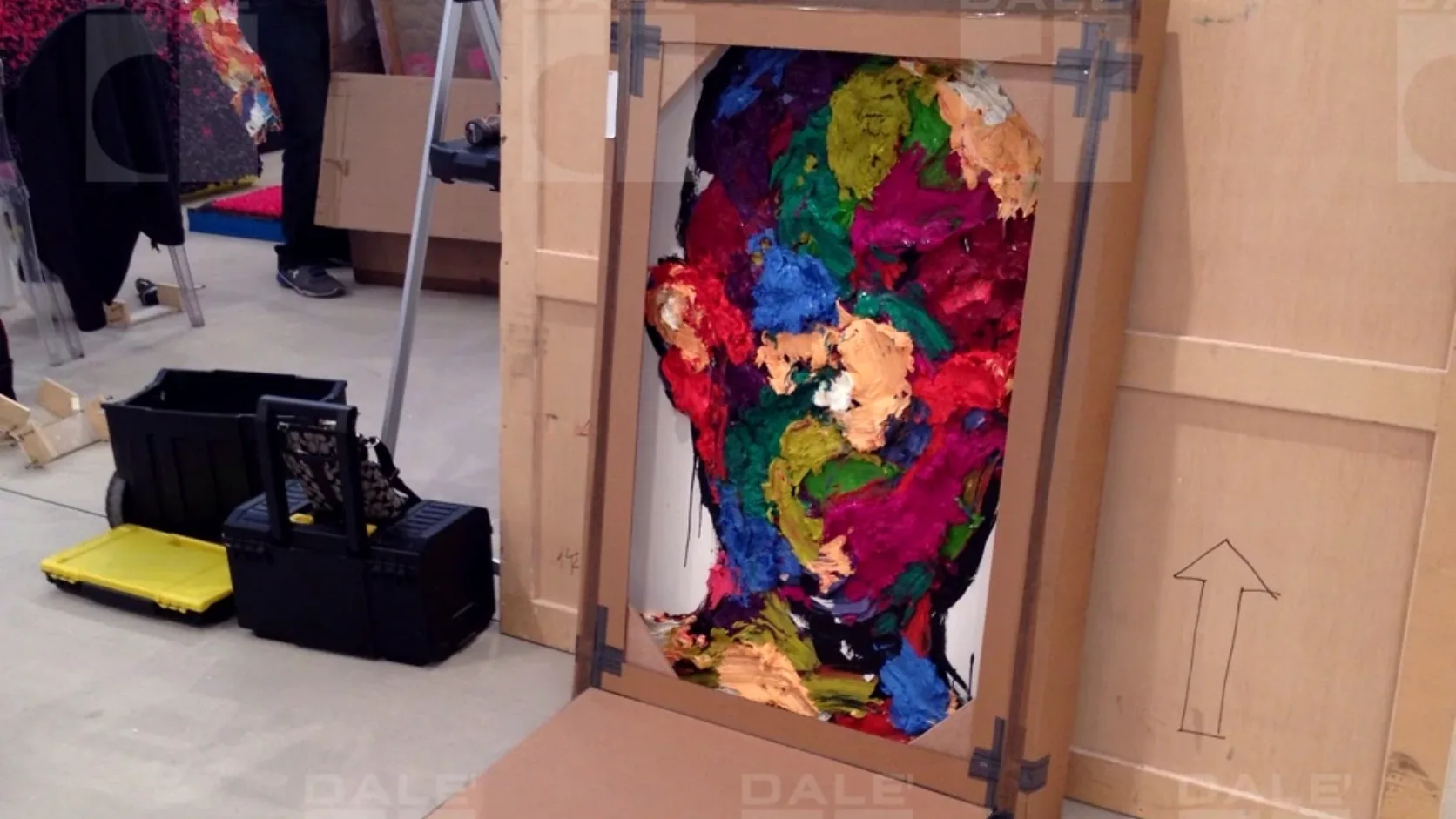
- Crates and cages in wood for heavy or valuable loads: wooden crate, wooden cage.
- Pallet boxes and reusable containers: pallet box.
What it is for
- Unitise: turn many packages into a single load unit that can be moved with a truck or a crane.
- Protect from handling damage and from the weather, with sheets and covers.
- Stabilise the load during transport, preventing slipping and collapse.
- Identify: a label with code and destination is applied to the unit; for pallets the SSCC code of the GS1 standard is often used.
- Allow storage at height and efficient loading in lorries and containers.
Rules and constraints
Some rules concern wooden tertiary packaging: for export outside the Union, wooden pallets and crates must comply with the ISPM 15 standard, with treatment and a mark. Others concern dangerous goods, where the packaging is approved and the load must be segregated and secured according to ADR, IMDG or IATA. Others concern safety at work, for weight limits and stability. Finally, the European packaging rules: Regulation (EU) 2025/40, applicable from 12 August 2026, also covers transport packaging. For the precise requirements, refer to the text of the regulation.
How to choose
- Weight and height of the load: a tall, heavy load needs more wraps of film and corner protectors.
- Route and mode: sea freight and transport with several transhipments stress the load more than a direct delivery.
- Reusability: exchange pallets, containers that come back, single-use packaging.
- Overall cost: tertiary packaging costs little compared with the value of the goods; excessive saving is often damage in the future.
Common mistakes
- Cartons that stick out of the pallet, crushed by neighbouring packages or by the film.
- Film that is too slack or not anchored to the pallet.
- Damaged pallet or one with an illegible mark.
- Unstable load because the layers are not staggered.
- Labels covered by the film.
In our warehouses
Palletising, filming, strapping, labelling and preparing wooden crates are daily jobs at the Brescia hub, before loading onto our vans or onto the carriers' vehicles. For export we have dedicated an ISPM 15 guide, and for delicate goods a page on packing works of art. For warehouse services see logistics.
Sources
A shipment to organise?
Tell us what you are shipping and where to: we reply with the route, the documents required and a quote.
Related Dalè services
Related glossary terms

