What it is
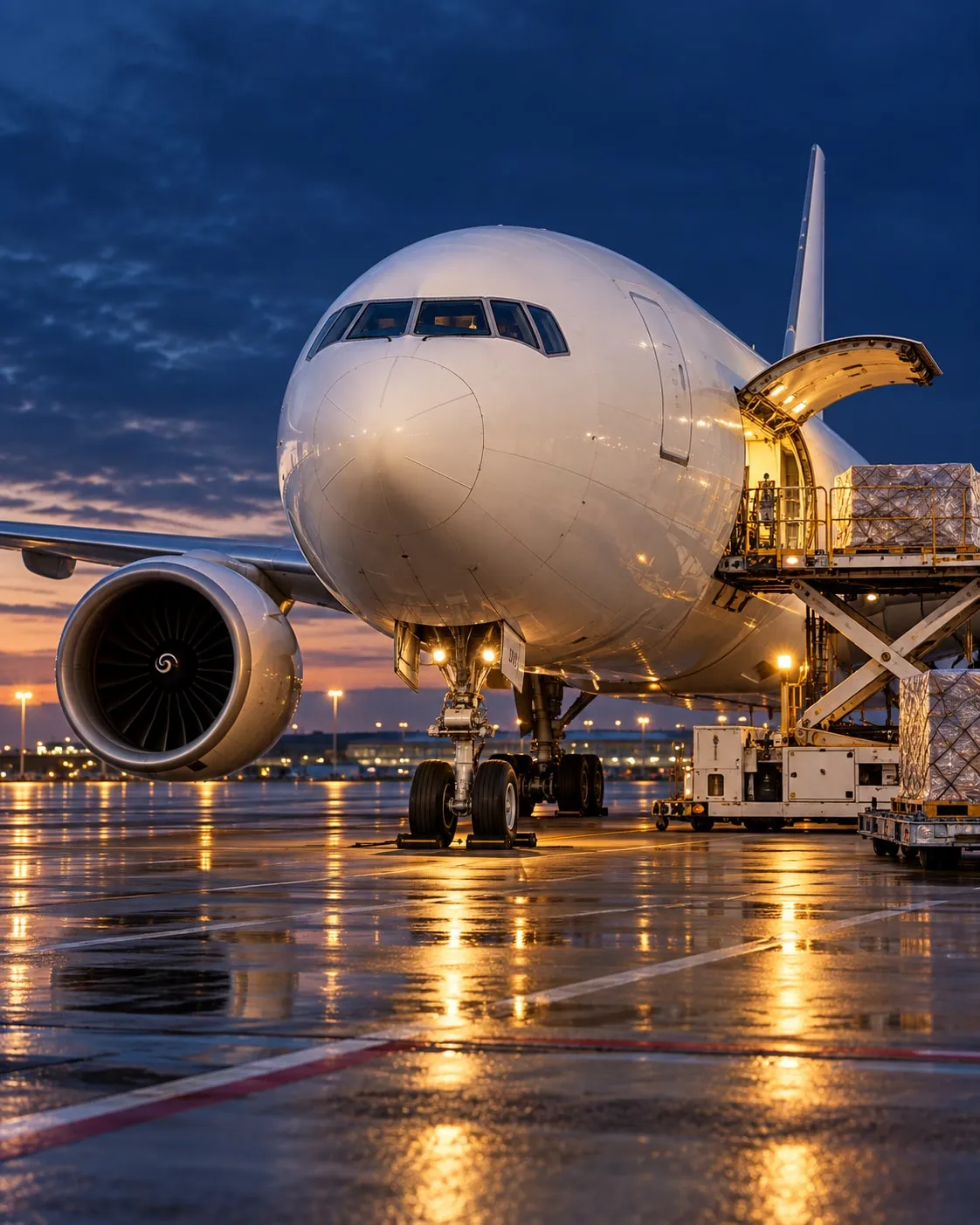
When an air shipment arrives at the airport, it does not go straight onto the aircraft. It goes through a cargo terminal where specialised staff take charge of it, check it, build it up on pallets and take it to the aircraft. These services are handling. In air transport language a distinction is made between ramp handling (aircraft, apron) and cargo handling (goods, warehouse, documents).
In Europe, access to the ground handling services market is regulated by Directive 96/67/EC, which opened the activity to several operators at many airports, with exceptions for some categories of services.
The stages of cargo handling
- Acceptance. The packages are checked against the air waybill, and weight, dimensions, labels and packaging are verified. There is a delivery deadline (cut-off) set by the airline.
- Security. If they do not have the required security status, the packages undergo screening.
- Warehouse. The goods wait for the flight in dedicated areas, with zones for special cargo, valuables, perishables and dangerous goods.
- Build-up. Packages and pallets are assembled on loading units, see air pallet, respecting contour and weight.
- Transport and loading. The units reach the aircraft with ramp vehicles and are loaded according to the load plan.
- Arrival. On arrival the process is reversed: unloading, breakdown, checking, making the goods available for collection and for customs.
Who does it and who pays
The handler works for the airline, which selects and appoints it. Its costs translate into local charges on the shipment: terminal fees, handling, document issue, and any storage if the goods stay in the warehouse beyond the time allowed. Who pays them depends on the delivery term and the terms of sale; for details see also air surcharges.
The freight forwarder coordinates the passage between warehouse, handler and customs, and checks that the documents are ready before acceptance. Dalè, as an IATA cargo agent, books space directly with airlines and follows the goods at Malpensa and Linate, as described on the page air freight.
A practical example
A crate of spare parts arrives at the Malpensa cargo terminal in the afternoon. The handler accepts it, checks weight and dimensions against the air waybill, sends it through the security check and builds it up on a pallet with other shipments for the same flight. In the evening the pallet is taken to the aircraft. If the export documents had not been ready, the crate would have stayed in the warehouse and missed the departure.
Common mistakes
- Arriving at acceptance after the cut-off.
- Data on the air waybill that differ from the real packages.
- Packaging not suited to mechanical handling.
- Not reporting special cargo in advance, which requires dedicated areas.
Sources
A shipment to organise?
Tell us what you are shipping and where to: we reply with the route, the documents required and a quote.
Related Dalè services
Related glossary terms

