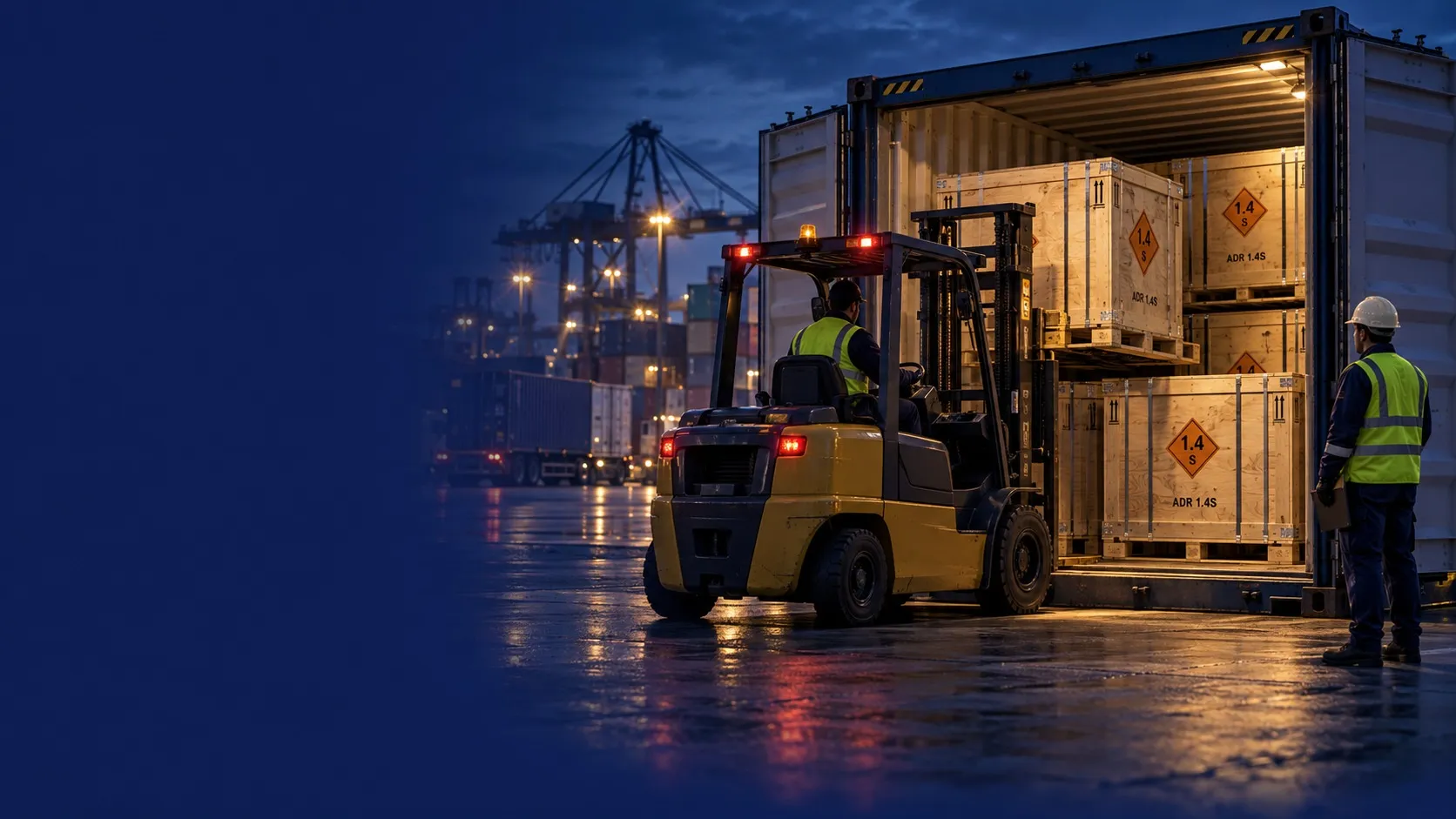
Logistics for the coffee supply chain. From the port to the roastery, and on to the retailers.
We follow coffee through every move: the arrival of the raw beans by sea, storage in Brescia together with the packaging, the trip to the roastery and the distribution of the finished product to large retailers.
Which document mistakes stop goods?
Incomplete documents, or documents that do not match
An invoice missing the required details, a packing list that does not match the packages, a consignee written in two different ways: these are the most common causes of a customs hold. That is why we ask for the documents before departure and compare them with each other, rather than discovering the mistake at the checkpoint.
A destination never verified
We sometimes receive delivery addresses that nobody has checked and that, on verification, turn out to be incomplete or non-existent. The goods then stop. Before shipping we verify that the consignee and address exist and are consistent with the documents.
Answers to the most common questions.
Does Dalè roast or process coffee?
No. Roasting and processing take place at your own roastery or at the one you have chosen. We look after the logistics: the arrival of the raw coffee, storage in Brescia, delivery to the roastery, collection of the finished product and its distribution to the delivery points you indicate.
Which countries do you arrange green coffee imports from?
From the producing countries you indicate. The coffee arrives by sea, for example from Honduras and South America. You choose the origins and the suppliers: we organise the sea freight, the leg from the port to Brescia and, through our in-house customs office, the import formalities.
Can you store the packaging as well?
Yes. Together with the raw coffee we receive and store the other materials needed for production: boxes, cartons, packaging, plastic and aluminium materials. They come from the suppliers you indicate and leave for the roastery when you ask us, either on their own or together with the coffee.
Do you deliver to large retail chains?
Yes. The finished product comes back to our warehouse and from here we redistribute it to large-scale retail. We prepare the pallets following the delivery rules you pass on for each receiver and organise transport to the unloading points. Once delivery has taken place we send you the signed documents.
How do you keep different coffee consignments apart?
Each consignment is recorded on arrival with its origin and its lot, and in the warehouse it is kept separate from the others. When you ask us to supply the roastery you tell us which consignment, and that is the one we load. The same goes for the finished product, which we manage by item and by lot.
What route does coffee take from the port to the shelf?
One supply chain, one warehouse
Between the plantation and the supermarket shelf, coffee changes form and moves several times. It arrives raw by sea, goes into storage, travels to the roastery, comes back packed and leaves again for the delivery points of the large retail chains. Through all of these stages our Brescia warehouse is the fixed point: this is where the goods arrive, wait and set off again. You take care of the product and of selling it, we move it and look after it between one stage and the next. The advantage is a single hand guiding the whole route, instead of many separate legs to coordinate one by one.
Importing green coffee
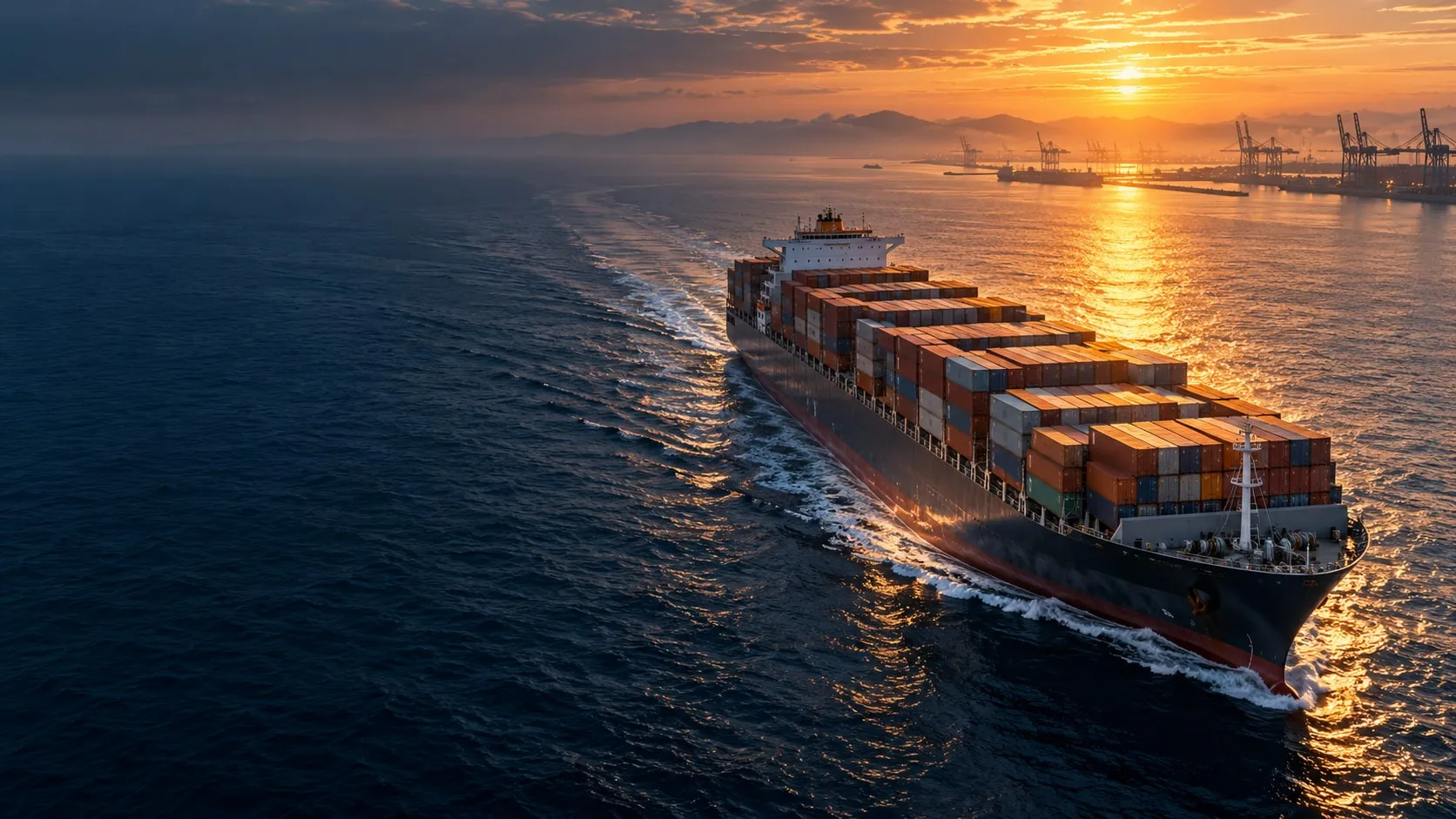
Green coffee, meaning raw beans that have not yet been roasted, arrives by sea from producing countries, for example Honduras and South America. You choose the origins and the suppliers. We organise the sea freight, follow the container during the crossing and let you know if the arrival date changes. On landing, our in-house customs office takes care of the import formalities, using the documents we gather with you before the vessel arrives. Before loading at origin we check quantities, type of sack and the supplier's documents with you, so no information is missing on landing.
From the port to the Brescia warehouse
From the port the container travels by road to Brescia. At unloading we count the sacks, check that they are intact and dry and compare marks and references with the shipping documents. Each consignment is recorded with its origin and its lot and is kept apart from the others, because the roastery must receive exactly the coffee you asked for. If something does not match we tell you straight away, before the goods go into stock. The raw coffee stays under cover, on pallets, away from goods that could pass odours on to it.
Not just coffee: boxes, packaging, plastic and aluminium
To reach the shelf, coffee needs other things too: boxes, cartons, packaging, plastic and aluminium materials for the packs. These materials also come into our warehouse, from the suppliers you indicate, and are stored next to the raw coffee. Having everything in one place makes the work simpler: when the roastery has to produce, coffee and packaging materials leave together or in sequence, according to the schedule you give us. We keep an eye on this stock too and let you know when a material is running low.
Leaving for the roastery
The roastery is your own, or the one you have chosen: Dalè does not roast or process coffee. Our job is to keep it supplied. On your instructions we prepare the lots of raw coffee and the materials required, load them and deliver them to the plant. This way the roastery receives what it needs for the planned production and does not have to hold the entire load that came off the ship. We confirm each departure, so you know how much raw coffee is still with us and how much is already being processed.
The finished product comes back
Once roasted, processed and packed, the coffee returns to us as a finished product, on pallets ready for sale. We receive it, check quantities, items and lots, and store it separately from the raw coffee and the materials. From this point we manage outbound movements according to your orders. We release the lots in the order you indicate, taking into account the dates shown on the packs. The finished product is recorded as well, so the stock you see is the same stock we see.
Distribution to large retailers
The last leg is distribution to large-scale retail, known in Italy as the GDO. Each chain has its own rules for receiving goods: how pallets must be built, which labels are needed, how an unloading slot is booked. We collect these rules from you and prepare the shipments accordingly, so the load turns up at the dock the way the receiver expects it. We organise transport to the delivery points you indicate and confirm delivery with the signed documents. If an order changes late on, we sort it out together before the vehicle leaves.
Common mistakes in coffee logistics
The first is letting goods reach the warehouse without documents or notice: a container of sacks with no references cannot be recorded or matched to a consignment. The second is leaving packaging materials to the last minute: the coffee is ready but the boxes are missing, and production stops. The third is sending pallets to large retailers without looking at the receiver's rules, with the risk that the load is turned away. All three are prevented by a shared schedule.
A team that follows every stage
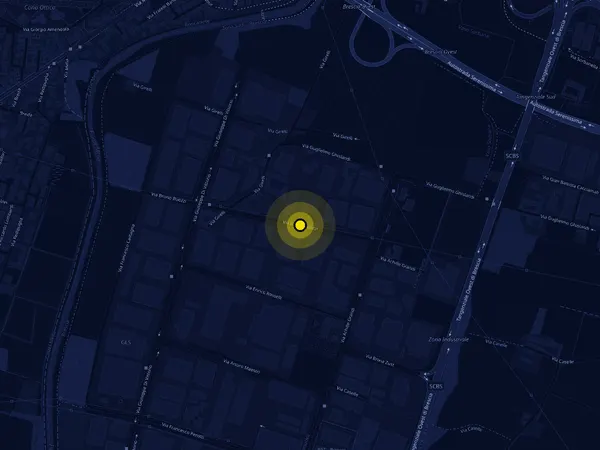
Behind this flow is a group of people who know your goods and talk to you, to the roastery and to whoever receives the delivery. At every stage we look for the option that works out best: how to fill a vehicle better, when it pays to combine two deliveries, how to avoid empty runs. Dalè is based in Brescia, at Via Bruno Buozzi 14, and has been handling international shipments since 1956. To get started, tell us about your coffee origins, materials and delivery points.