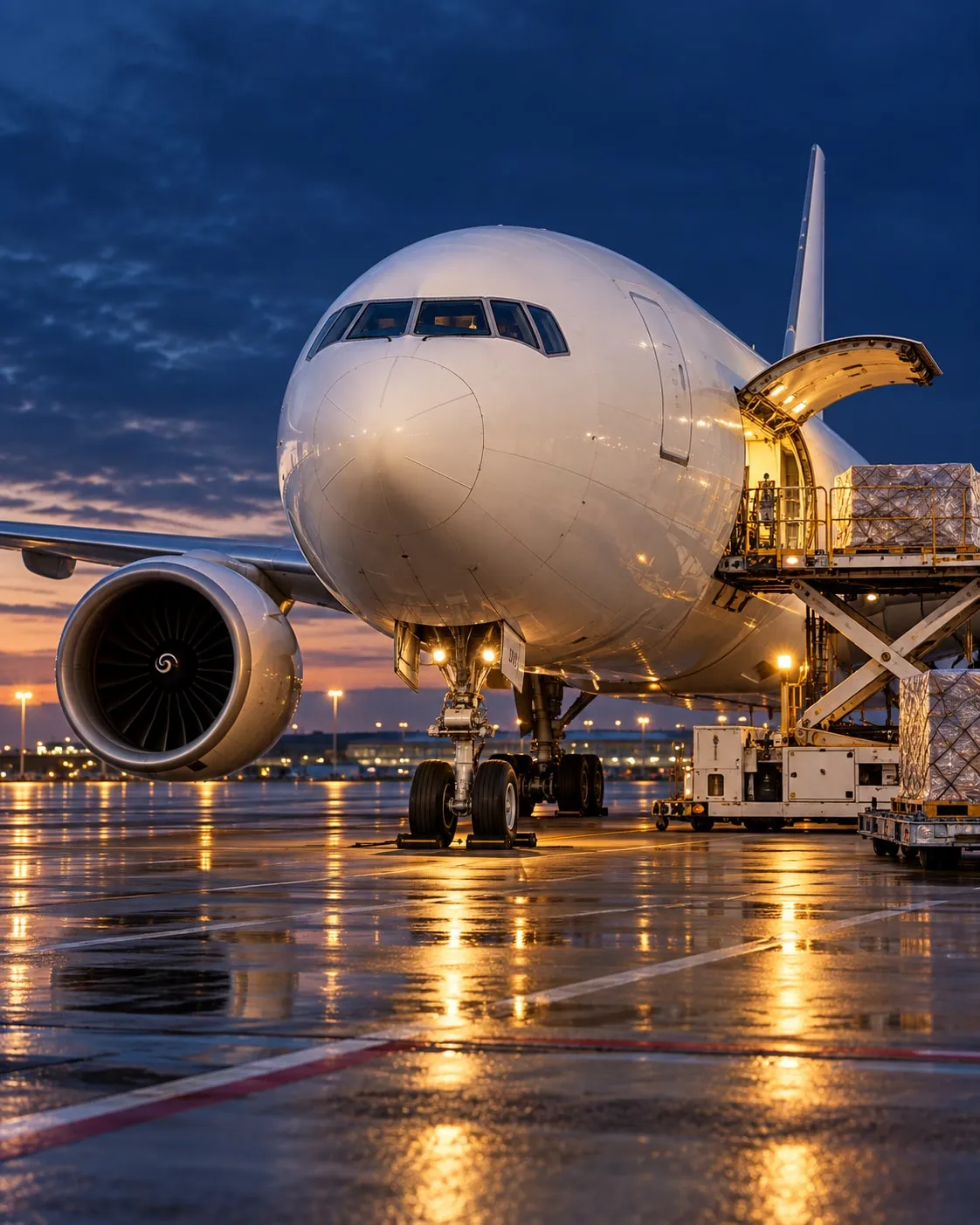
What SAF is
SAF is a "drop-in" fuel: it is blended with conventional kerosene and used with the same engines and infrastructure, without modification. It is obtained from sources such as used cooking oil, animal fats, agricultural and forestry residues, waste, or, in synthetic fuels, from renewable hydrogen and captured CO2. The emissions reduction is calculated over the whole life cycle and depends on the feedstock and the process.
SAF does not eliminate emissions in flight: it reduces those over the life cycle. For this reason it is considered one of the few tools available today to reduce the impact of aviation, while more radical technologies are awaited.
What ReFuelEU Aviation requires
Regulation (EU) 2023/2405, known as ReFuelEU Aviation, applies from 1 January 2025. It requires fuel suppliers at Union airports to supply aircraft with a minimum share of SAF, which rises in stages:
- 2% from 2025;
- 6% from 2030, including a minimum share of synthetic fuels (1.2% in 2030-2031);
- 20% from 2035, 34% from 2040, 42% from 2045;
- 70% from 2050, with a minimum share of synthetic fuels of 35%.
The regulation also requires airlines to uplift at least 90% of the fuel they need, on an annual basis, at the departure European airport, to avoid loading it elsewhere where it costs less ("tankering"). The share obligations concern whoever supplies the fuel, not the freight forwarder or whoever ships the goods.
Why it matters to shippers
SAF costs more than fossil kerosene. Airlines, required by the rule to buy growing shares, may pass part of this cost on in their rates or in additional charges; see air surcharges. Some airlines also offer customers the option to voluntarily cover a share of SAF to reduce the emissions associated with their shipment, but the calculation and certifications vary from carrier to carrier: ask what is actually accounted for.
A customer that has to report emissions (Scope 3) can therefore ask the freight forwarder for emission data per shipment, with the method used. For market facts and the actual shares of SAF supplied, up-to-date data are published by the European Union Aviation Safety Agency.
A practical example
A components company from Brescia ships an air freight load to Asia every month. From 2025 the airline adds a line to the invoice linked to the environmental cost of fuel. The purchasing department asks the freight forwarder for the detail of the line and the emissions report for its own reporting: with these data it can compare flights and carriers on their environmental profile as well.
Confusions to avoid
- SAF is not an ETS system: the ETS is the European emissions allowance market, and also covers aviation; SAF is an obligation on the type of fuel.
- The SAF share is calculated on the supplier's average, not on the individual flight.
- A surcharge does not mean SAF physically uplifted on the customer's flight.
Sources
A shipment to organise?
Tell us what you are shipping and where to: we reply with the route, the documents required and a quote.
Related Dalè services
Related glossary terms

