What it means
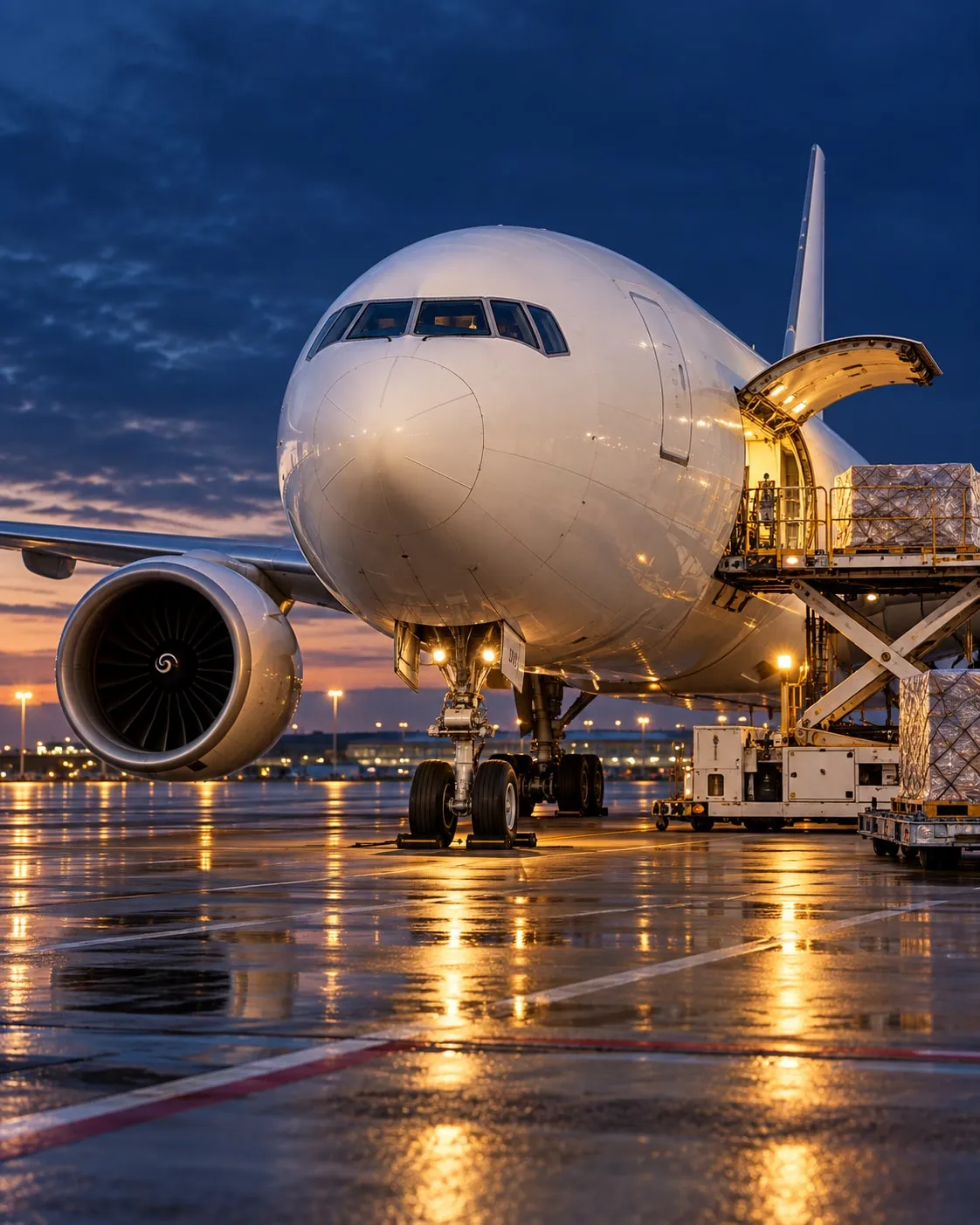
The expression describes the route, not the commercial terms. In air freight, for example, the main leg is the flight from airport to airport; a door-to-door service adds collection from the sender and delivery to the recipient's warehouse, with a single contract and a single point of contact. The same goes for sea, road and combined transport.
In English you also see point to point or from origin to destination. In everyday language, door to door is used when the shipper does not want to deal with the intermediate steps: terminals, transhipments, customs, collection and delivery trucks.
What it includes, and what to check
- Collection from the sender, with packing and loading if needed.
- Main carriage by air, sea or road, with the relevant waybill or bill of lading.
- Customs formalities for export and, where provided, for import: they must be stated explicitly, because they are not always included.
- Final delivery to the recipient, with an appointment if needed, see delivery by appointment.
The weak point of many offers is what is left unsaid: duties, taxes and terminal charges at destination, insurance and delivery to the floor are often excluded and should be asked about beforehand. A correct quote states for each item whether it is included or not.
Door to door and Incoterms
The term does not match any Incoterms rule. A door-to-door delivery can take place under DAP, where the seller delivers at destination but the buyer clears customs on import, or under DDP, where the seller clears customs and pays duties and taxes. It can also be a service bought by the buyer under EXW or FCA, where the risk passes earlier but the freight forwarder still organises the complete route.
The distinction matters: door to door answers the question "who organises the transport", while Incoterms answers "who is responsible for costs and risks, and up to where". See Incoterms® for the full picture.
A practical example
A company from Brescia sells a packed machine to a customer in the United Arab Emirates. Collection takes place at the factory with a vehicle that takes the package to the airport, export is declared before the flight, the flight arrives in Dubai and a local agent carries out customs clearance and delivery to the factory. The sender has a single point of contact; the buyer pays local duties and taxes, because the delivery term is DAP. The service is door to door; the delivery term is something else.
When it is the right choice
It makes sense when sender and recipient do not have the facilities to manage transhipments and documents, when the goods are delicate and fewer handovers mean less risk, and when you need a single reference point for tracking and claims. It is less suitable when the customer already has its own carrier or a direct relationship with a terminal. For air freight, Dalè organises it with collection, customs and delivery as described in air freight.
Sources
A shipment to organise?
Tell us what you are shipping and where to: we reply with the route, the documents required and a quote.
Related Dalè services
Related glossary terms

